
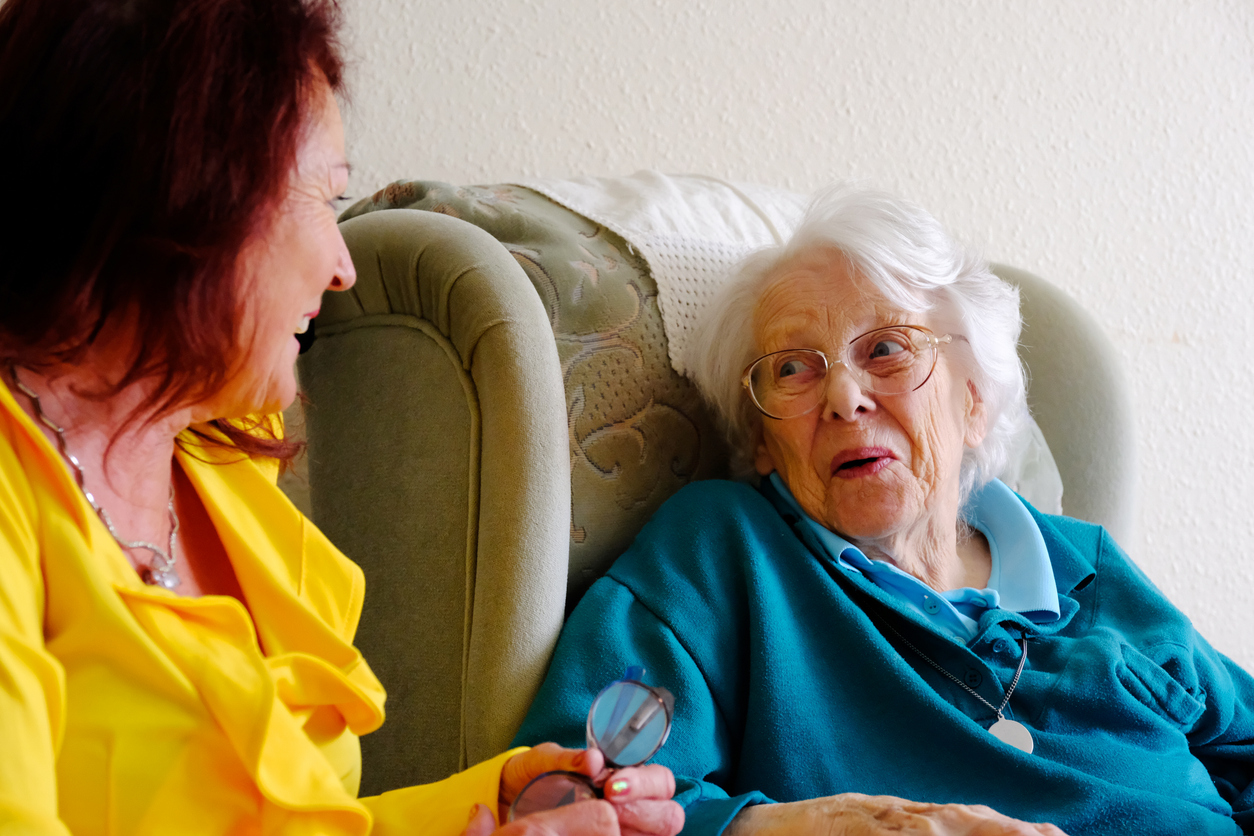
People who care for friends or family members face significant barriers to getting recommended amounts of exercise, increasing their own risk of chronic disease and poor mental health.
New research published in the International Journal of Environmental Research and Public Health compares physical activity and sedentary behaviour of carers and non-carers, and examines how hours spent caring affects whether people can exercise.
What the research looked at
Researchers from the University of Strathclyde analysed data from more than 8,500 people who took part in the Age 46 Sweep of the 1970 British Cohort Study (BCS70).
They drew on activity monitor data collected from a total of 2,861 participants, comprising 310 carers and 2,551 non-carers. Of the carers, 70% were female.
Unlike other BCS70 sweeps, the Age 46 Sweep collected physical data from activity monitors including participants’ daily:
- step count
- activity time
- movement patterns
- number of sitting sessions lasting more than 60 minutes.
Using the data from the physical activity monitors, along with participants’ self-reported data on muscle-strengthening activities, the researchers assessed whether they were likely to meet the UK Chief Medical Officer (CMO)’s weekly guidelines for adults aged 19-64 of:
- at least 150 minutes of moderate physical activity or
- up to 75 minutes of vigorous physical activity
- and muscle-strengthening activities such as using weights or strenuous tasks like mowing the lawn or digging, at least two days a week.
What the researchers found
The researchers found that while 26% of carers met the advised guidelines for muscle-strengthening activities per week, only 2% met the physical activity guidelines. Only 1% of carers were able to achieve the combined recommendations.
Importantly, these barriers are not merely personal challenges but reflect the wider organisational and social contexts in which caring takes place.
There were no statistically significant differences between carers and non-carers’ levels of measured physical activity and sedentary behaviour. This was even after considering factors such as age, BMI and economic activity. Number of hours spent caring also did not seem to impact results.
However, the researchers explained that carers may face particular challenges getting enough physical exercise compared to non-carers. They suggested that this may be because the demands of carers’ responsibilities can limit their access to the time, flexibility, respite or support needed to exercise.
The researchers said: “Importantly, these barriers are not merely personal challenges but reflect the wider organisational and social contexts in which caring takes place… Resilience is not something carers are expected to generate independently, but rather something that is enabled or undermined by the environment, services, and policies around them.”
Why this research matters
As the world’s population ages and health services face challenges around the world, informal carers have never been so important.
Yet this research finds that carers face a high risk of physical inactivity, which can affect not only their physical health, but their mental health. Descriptive comparisons within this group found that those who were able to meet the activity guidelines were more likely to report better health, BMI and wellbeing.
The researchers called for “informal carers [to] be recognised as a priority group in public health policy and practice, with flexible, tailored physical activity interventions that account for time constraints, caregiving demands, and wellbeing needs”.
Read the full paper
‘Objective Physical Activity and Sedentary Behaviour Patterns Among Informal Carers in the BCS70 Cohort’ by Eilidh Russell, Alison Kirk, Mark D. Dunlop, Dwight C. K. Tse, and Kieren Egan was published in the International Journal of Environmental Research and Public Health.