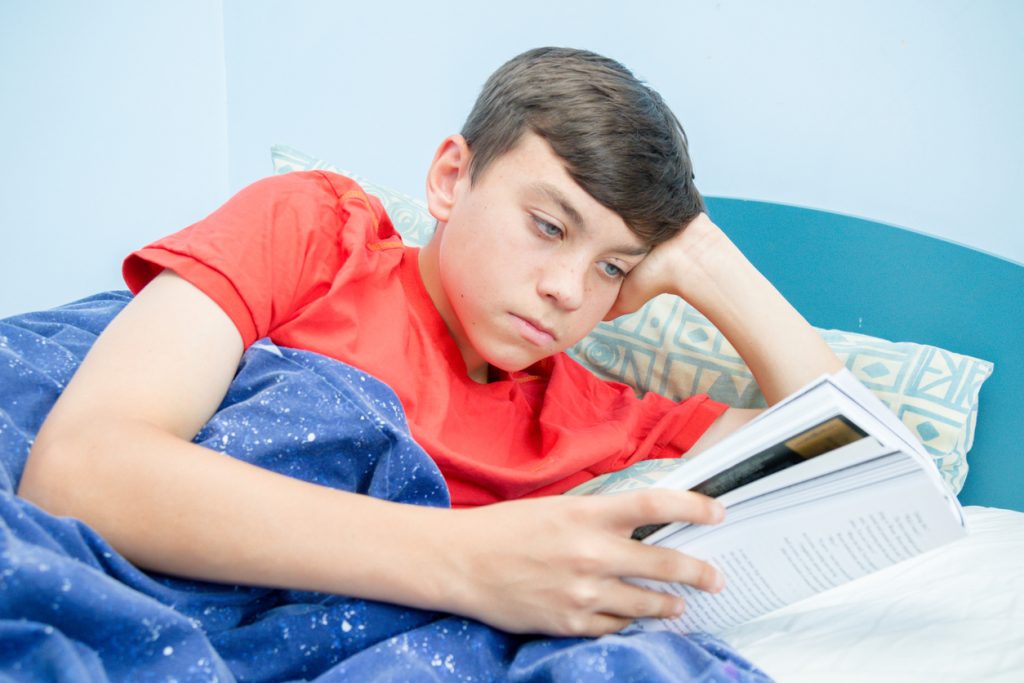

Ignoring or shouting at children with attention-deficit/hyperactivity disorder (ADHD) can worsen the problems they face forming friendships and regulating their emotions.
What is ADHD?
ADHD is a neurodevelopmental disorder affecting around 5% of children globally. Symptoms of ADHD vary from person to person, but common problems include difficulty concentrating, hyperactivity, and acting impulsively. Children with ADHD often have trouble managing their emotions, referred to as ‘emotion dysregulation’. Emotion dysregulation can lead to a greater risk of anxiety, depression, and behavioural problems.
ADHD symptoms can be particularly disruptive in middle childhood (ages 6-12) because this is when most children begin to develop self-control and social skills.
About the research
The research, led by Dr Evelyn Mary-Ann Antony of Durham University, used data from nearly 4,700 members of the Millennium Cohort Study, who were born across the UK in 2000-02. Parents answered a series of questions about their children’s behaviour at ages 5 and 7, including how often they got over excited or easily frustrated. The researchers used their responses to determine which children displayed emotion dysregulation and other symptoms of ADHD.
Parents also answered questions about how they disciplined ‘naughty’ behaviour, including whether they ignored or shouted at their child, or sent them to their room. At age 11, the children responded to questions about how they got along with their peers.
Links between parenting practices and ADHD symptoms
Among 5- and 7-year-olds with ADHD symptoms, withdrawn parenting practices appeared to negatively affect emotion dysregulation. However, the effect was stronger for children with milder ADHD symptoms. The researchers suggested this might be because children with severe ADHD symptoms already have high emotion dysregulation, leaving little room for parenting practices to have a profound effect.
Parenting practices also played a role in the link between ADHD symptoms and peer relationship problems at age 11. Children who displayed ADHD symptoms at age 7 were more likely to report trouble making friends and getting along with their peers at age 11. The link was stronger for those whose parents were harsh or withdrawn.
The researchers said: “Harsh or withdrawn parenting practices increases the likelihood of emotional distress, aggression, and peer conflict, while positive parenting supports emotion regulation and prosocial skills.”
Emotion regulation and ADHD in Switzerland
The researchers noted that findings might differ by country, as cultural context shapes parenting practices, as well as perceptions of ADHD and social norms.
To explore potential differences, the researchers used data from around 1,200 participants in the Zurich Project on Social Development from Childhood to Adulthood. While they did not find a connection between parenting practices and emotion regulation among Swiss children with ADHD, they did find an interesting influence of anger on their ability to cope in a conflict.
Among children with ADHD symptoms, those who frequently reacted with anger in difficult social situations at age 9 went on to show very different ways of coping with conflict by age 11. Some developed more effective coping strategies, while others became more aggressive, suggesting that anger can lead to either positive or negative outcomes, depending on how it is managed. The researchers said that “when anger is well regulated, it may help children with ADHD symptoms develop stronger coping skills, whereas unregulated anger may increase the risk of later behavioural problems.”
Supporting families of children with ADHD
The researchers noted that clinical treatments to explicitly address emotion dysregulation and parenting practices in children with ADHD have shown promise. They added that their findings “reinforce these clinical insights, suggesting that interventions combining parenting support with emotion regulation training during middle childhood could be critical for preventing long-term social difficulties in children with ADHD.”
Read the full paper
‘A dual cohort analysis of parenting practices, attention-deficit/hyperactivity disorder symptoms, anger, and emotion dysregulation in middle childhood: Findings from a UK and Zurich sample’ by Evelyn Mary-Ann Antony, Nadin Beckmann and Steve Higgins was published in JCPP Advances in October 2025.