
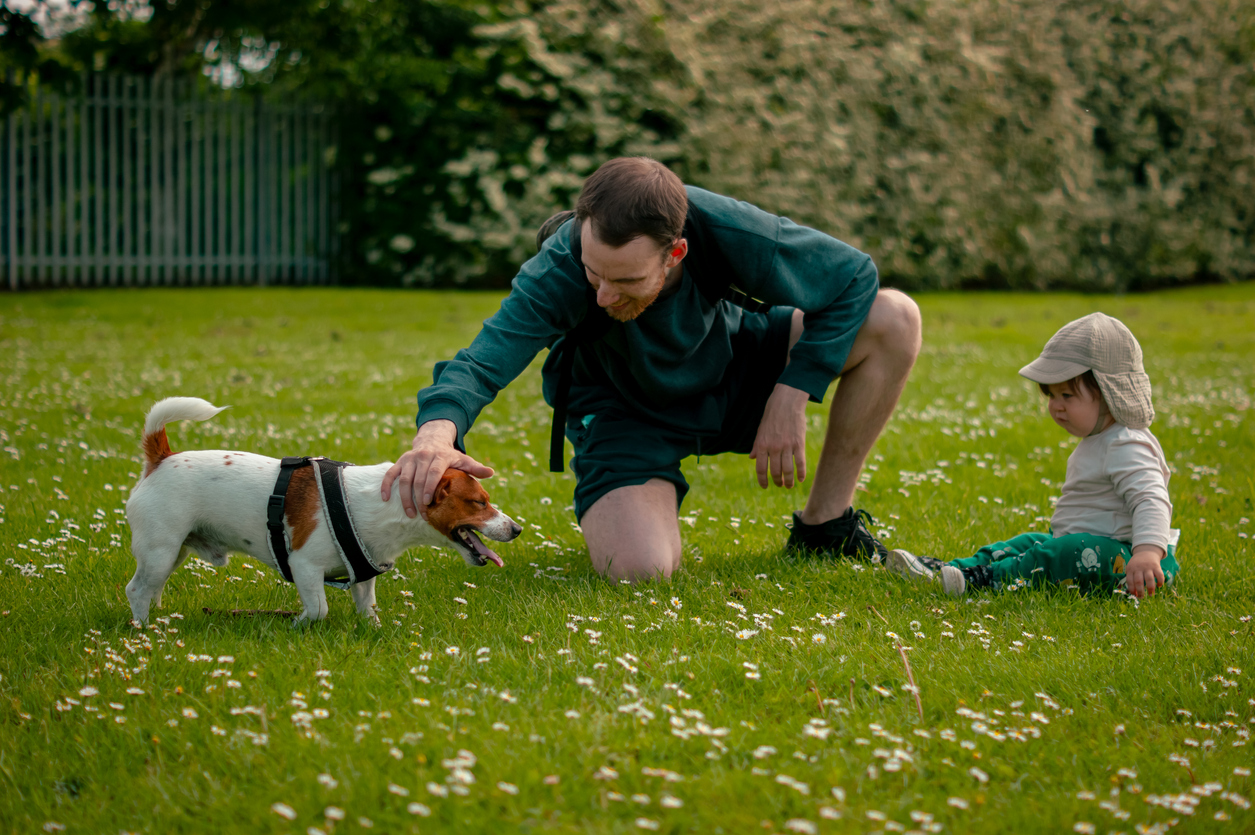
Increasing access to green spaces may have positive effects on people’s mental health, especially for those from the most disadvantaged homes.
New research from the University of Bordeaux, published in Environment International journal, looked at information provided by parents of individuals participating in the Millennium Cohort Study (MCS). The research looks at both the positive effects of green spaces and the negative effects of their absence to build a more holistic picture.
Overall, across all social groups, lack of green spaces appeared to have negative impacts on people’s mental wellbeing. The researchers found that the benefits of green spaces were felt most by those from the most socioeconomically disadvantaged homes.
Our findings add to the growing evidence in favour of nature-based interventions for those with mental health issues. Greening public spaces can be a valuable tool at the intersection of environmental, urban, social and health policies.
What the researchers looked at
Researchers used data from the Millennium Cohort Study (MCS), that follows the lives of 19,000 individuals born in 2000-02 across the UK. They analysed information provided by the parents of the participants – a group of more than 25,400 adults. Over the different study sweeps, these parents have answered questions about their own lives as well as providing information about their participating children.
The researchers analysed data on parents’ mental health collected across five consecutive sweeps, from when the MCS participants were age three until age 14. Based on the residential address of the participants and their families at each sweep, the researchers looked at both the availability and accessibility of green spaces in their neighbourhoods and categorised these into three scales: high, medium and low.
What the researchers found
Up to one in five (22%) adults living in the least green areas reported high levels of psychological distress. In contrast, adults living in areas with high levels of green spaces faced fewer mental health issues, with percentages ranging from 6-10%.
Living near green spaces had a more pronounced positive effect on the most socioeconomically disadvantaged individuals compared to their wealthier counterparts.
The authors suggest that this may be due to their greater dependency on these spaces for physical activities, social interactions and rejuvenation since they often have limited access to other wellbeing resources such as private gardens or fitness centres.
The researchers of the study added, “Urban planning can play a significant role in reducing both environmental and mental health disparities, thus becoming an integral part of public health interventions on a large scale. Fostering access to neighbourhood green space may serve as a valuable strategy.
“Developing safe large parks, as well as small-scale urban green spaces such as tree canopies, greenways, street trees, green paths, and gardens has proven effective for physical health outcomes and may potentially benefit mental health as well.”
Read the full paper
‘Neighborhood green space and psychological distress: a longitudinal study of socioeconomic disparities in mental health outcomes’ by Cedric Galera, Marie C Navarro, Charline Galesne, Noelia Retuerto, Francesca Bentivegna and Eirini Flouri was published in Environment International in October 2025.